
Insurance & Payments
Golden Eyes Optometry Financing

Payment Options
We offer a wide range of payment options to meet our client's needs and ensure we can provide the best service possible. We accept the following payment methods:


Sunbit - Flexible monthly payments
Sunbit is a new way to pay for your eye care with simple and flexible monthly payments. Don’t sacrifice your vision this year. Getting started with Sunbit is easy.
The application process is super easy and fast, with zero commitments. In a moment, you’ll see financing options for 3, 6, and 12-month payment plans. More good news, applying for Sunbit won’t affect your credit score with no obligation to purchase.
Accepted Vision Plans
- Aetna Vision (EyeMed network)
- EyeMed (excluding Select and Advantage plans)
- Spectera (Selection Contact Lenses not accepted)
- Tricare Prime / Tricare West (Dependents & Spouses only) – Vision Benefits through Health Net Federal Services (HNFS)
- Vision Service Plan (VSP)
Accepted Medical Insurance
- Medicare Part B (deductible applies; refraction is not covered)
- VA Community Care (prior authorization required)
Not Accepted
- Anthem Blue Cross Blue Shield
- Avesis
- CareMore Medicare
- Davis Vision (Versant Health)
- EyeMed Select & Advantage
- Health Plan of Nevada
- Humana Medicare HMO
- Medicaid (all plans)
- Molina
- Optum
- SilverSummit Healthplan
- Superior Vision
- UMR
Many other medical insurance plans are not accepted.
Insurance participation is subject to change. Please contact our office to verify coverage prior to scheduling.
INSURANCE WE ACCEPT







Vision Insurance vs. Medical Insurance
Understanding Vision & Medical Insurance
Insurance coverage for eye care can be confusing. To help avoid surprises, we want to explain how vision and medical insurance are typically used during eye care visits.
Vision Insurance
Vision insurance is designed to help cover routine eye care, such as:
Comprehensive eye exams for glasses or contact lenses
Refraction (determining your glasses prescription)
Eyeglasses and contact lenses (depending on your plan)
Discounts on contact lens fittings and materials (varies by plan)
A routine eye exam is one in which no medical eye condition is diagnosed or treated.
Important to Know
Most vision plans do not cover medical testing, diagnosis, treatment, or management of eye diseases.
Even with vision insurance, you may still be responsible for:
Copays
Deductibles
Non-covered services
Charges that exceed your plan's allowance
Patient balances and copays are due at the time of service. Any balance owed for glasses or contact lenses must be paid before materials are ordered.
Medical Insurance
Medical insurance may be used when your visit involves an eye health concern, disease, injury, or symptoms requiring evaluation or treatment.
Examples include:
Dry eye disease
Eye infections
Styes
Floaters or flashes
Glaucoma
Diabetic eye exams
Loss of vision
Eye injuries
Other medical conditions affecting the eyes
Important to Know
Medical insurance generally does not cover refraction, which is the portion of the exam used to determine your glasses prescription.
Because nearsightedness, farsightedness, astigmatism, and presbyopia are not considered medical conditions, refraction is often a non-covered service and may result in an out-of-pocket charge.
Your Responsibility
While our team is experienced in working with insurance plans, every policy is different. We encourage you to contact your insurance company before your appointment to verify:
Eligibility and benefits
Copays and deductibles
Covered services
Out-of-pocket responsibilities
Please remember:
Your insurance policy is a contract between you, your employer, and your insurance company—not your doctor.
We are happy to help explain how your benefits may apply to your visit and answer any questions you may have.
This reads more professionally, avoids sounding defensive, and focuses on educating patients rather than criticizing insurance companies
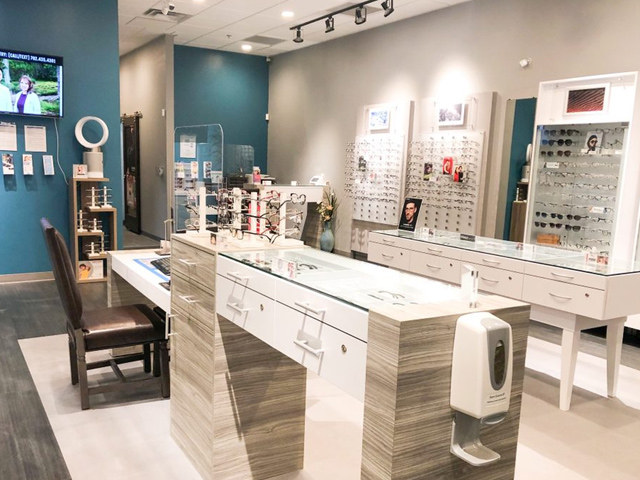


We do not fill outside Prescriptions
Staff fluent in: English, Vietnamese & Spanish
Contact Info
Location: In Vons Plaza. Next to Wells Fargo.
Phone: (702) 435-4301
By Appointment Only
- Monday Closed
- Tuesday 10:00am - 5:00pm
- Wednesday 10:00am - 5:00pm
- Thursday 12:00pm - 5:00pm
- Friday 10:00am - 5:00pm
- Saturday 10:00am - 2:00pm
- Sunday Closed
Closed for lunch during weekdays: 1PM-2PM
Closed: Most Holidays
© 2026 Golden Eyes Optometry. All rights Reserved. Accessibility Statement - Privacy Policy - Sitemap
Powered by:
